
Discover how a Mahjong score card pdf simplifies tracking points, ensuring fair play and quick reference. With clear columns for melds, points, and bonuses, it keeps games organized and helps players focus on strategy rather than manual calculations. It also supports tournament can be printed.

A Mahjong score card pdf is a pre‑formatted digital sheet that players print or view on a device to record every point earned during a game. It typically contains a grid of rows and columns where each player’s name, hand value, melds, and bonus points are entered. The pdf format ensures the layout remains consistent across computers, tablets, and printers, eliminating the need for manual drawing or re‑typing. By using a standardized template, players can quickly scan the card to verify scores, compare results, and spot any discrepancies. The card often includes sections for the dealer’s bonus, the number of rounds, and a final tally that automatically sums up the total points. Because the pdf is a static file, it preserves the integrity of the recorded data, preventing accidental edits that could alter the outcome. Many tournament organizers prefer pdf score cards because they can be distributed electronically to participants, reducing paper waste and allowing instant updates. In casual play, a pdf score card offers the same convenience, letting friends keep a clean record of each game without clutter of handwritten notes. Overall, a Mahjong score card pdf serves as a reliable, shareable, and easy‑use tool that enhances the fairness and enjoyment of the game; Whether you’re a seasoned pro or a newcomer, keeping a clear record with a pdf score card helps you track progress, analyze strategies, and celebrate victories with confidence. Print it out, bring it to table, let numbers talk.!!
Why Use a Score Card?
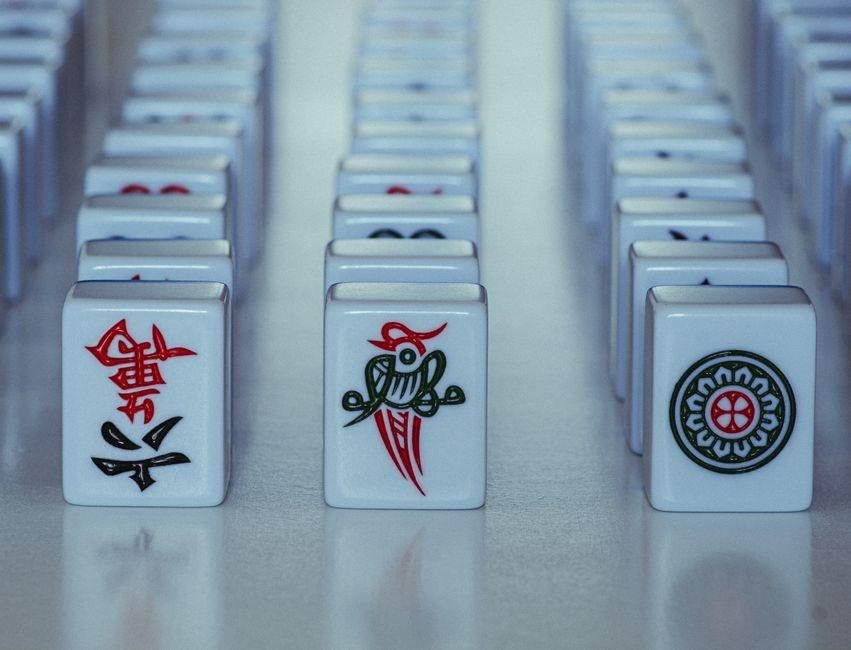
Using a score card in Mahjong provides several key advantages that enhance both the fairness and the enjoyment of the game. First, it eliminates the possibility of human error when calculating points, especially during fast‑paced play or when multiple players are involved. By recording each meld, discard, and bonus in a structured format, players can quickly verify totals and resolve disputes before they grow into frustration. Second, a score card promotes transparency; everyone can see the current standings at a glance, which encourages strategic play and discourages hidden tricks. Third, it serves as a historical record that players can review to analyze their performance, identify patterns, and refine strategies over time. This data‑driven approach is invaluable for serious competitors who want to track progress across tournaments. Fourth, in a tournament setting, a standardized score card ensures that all participants are judged by the same criteria, making the competition fairer and more credible. Finally, using a digital pdf score card adds convenience: it can be printed, shared electronically, or even stored on a tablet for quick access during breaks. The consistency of the pdf format means that the layout remains unchanged regardless of the device, preventing misinterpretation of columns or missing data. In short, a score card is an essential tool that keeps the game organized, fair, and engaging for all players.
Moreover, many online Mahjong communities provide downloadable score card pdfs that come pre‑filled with common scoring conventions, saving time and ensuring compliance with regional rules. By adopting a digital score card, players can also integrate the data with statistical software or spreadsheets for deeper analysis. The ability to export or print the final results makes it simple to archive tournaments, share results with friends, or submit scores to official ranking sites. In addition, score cards can be customized to include special fields for house rules, such as “extra points for a particular tile” or “penalties for discarding a specific sequence.” This flexibility allows groups to tailor the card to their unique style while maintaining a clear, shared framework for scoring. Ultimately, a score card is not just a bookkeeping tool; it is a cornerstone of good sportsmanship, accurate record‑keeping, and continuous improvement in Mahjong.
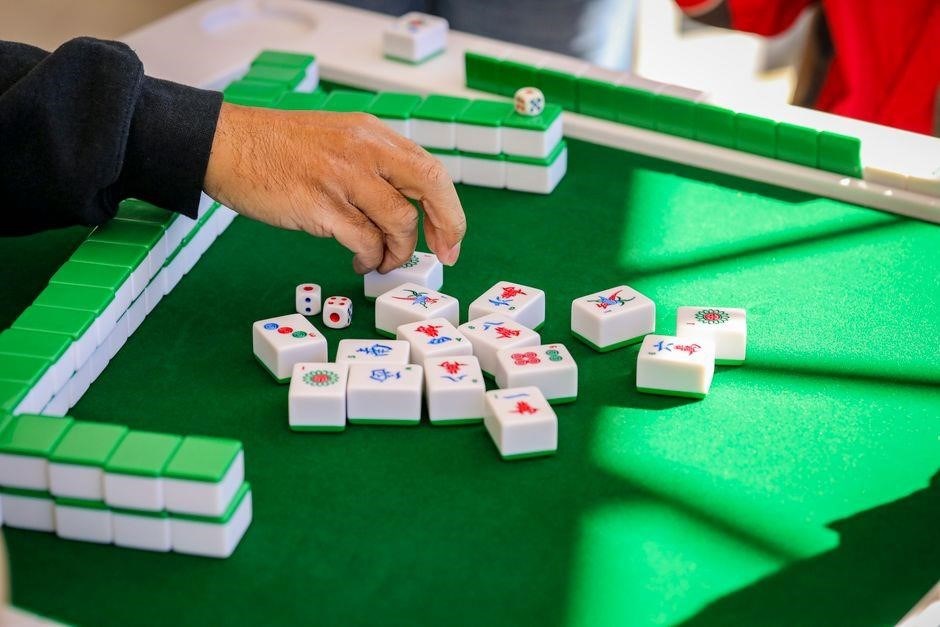
In practice, the score card becomes a shared reference that keeps everyone aligned, reduces disputes, and lets players focus on strategy rather than bookkeeping!!!!!

Choosing the Right Score Card Format
When selecting a Mahjong score card pdf, consider the layout, readability, and compatibility with your scoring rules. A well‑designed card should feature clearly labeled columns for melds, points, and bonuses, as well as a separate section for each player’s total. The format should be flexible enough to accommodate variations such as “hand” or “open” melds, “chow” and “pung” distinctions, and optional bonus tiles. Additionally, the card’s size and paper type influence its usability during play; a standard A4 pdf allows easy printing on most printers, while a smaller 5×7 inch format fits comfortably in a player’s hand. Digital score cards can be interactive, enabling automatic point calculations when you click on a tile, which reduces manual errors. However, for casual play, a simple printable pdf with pre‑printed lines may suffice. It is also important to check that the pdf uses a consistent font and spacing so that numbers align correctly when printed on different devices. Some score cards include a “summary” page that aggregates totals for quick reference, which is especially useful in tournaments. Finally, consider whether the format supports custom fields for house rules, such as extra points for a particular tile or penalties for discarding a specific sequence. By evaluating these factors, you can choose a score card pdf that matches your play style, ensures accurate scoring, and enhances the overall gaming experience. Moreover, many tournament organizers provide a score card pdf template that includes a built‑in calculator for bonus extra points, ensuring consistency across groups and making the scoring process faster and more reliable for all participants.

Key Features to Look For
When selecting a mahjong score card pdf, the first feature to evaluate is the clarity of the layout. A clean grid with distinct columns for each player’s melds, points, and bonuses allows quick reference during fast‑paced play. Next, look for built‑in calculation fields; some pdfs include interactive form elements that automatically sum points as you enter values, reducing manual errors. The ability to print on standard paper sizes (A4 or letter) is essential for portability. Additionally, check that the card accommodates common scoring variations, such as “hand” versus “open” melds, and includes separate sections for “chow,” “pung,” and “kong.” A robust score card will also feature a summary page that aggregates totals for each round, making end‑game calculations straightforward. For tournament play, a pdf that supports custom rule sets—like bonus points for specific tiles or penalties for discarding particular sequences—ensures consistency across groups. Finally, ensure the pdf uses a legible font and consistent spacing so numbers align correctly when printed on different devices. These features together create a reliable, user‑friendly tool that keeps the focus on strategy rather than bookkeeping. By integrating this score card pdf into your regular play, you not only streamline the scoring process but also enhance the overall enjoyment of the game, allowing players to focus more on tactics and less on administrative tasks. Its simplicity makes it ideal for gatherings tournaments!
Discover how a Mahjong score card pdf simplifies tracking points, ensuring fair play and quick reference. With clear columns for melds, points, and bonuses, it keeps games organized and helps players focus on strategy rather than manual calculations. It also supports tournament can be printed.
When selecting a mahjong score card pdf, the first feature to evaluate is the clarity of the layout. A clean grid with distinct columns for each player’s melds, points, and bonuses allows quick reference during fast‑paced play. Next, look for built‑in calculation fields; some pdfs include interactive form elements that automatically sum points as you enter values, reducing manual errors. The ability to print on standard paper sizes (A4 or letter) is essential for portability. Additionally, check that the card accommodates common scoring variations, such as “hand” versus “open” melds, and includes separate sections for “chow,” “pung,” and “kong.” A robust score card will also feature a summary page that aggregates totals for each round, making end‑game calculations straightforward. For tournament play, a pdf that supports custom rule sets—like bonus points for specific tiles or penalties for discarding particular sequences—ensures consistency across groups. Finally, ensure the pdf uses a legible font and consistent spacing so numbers align correctly when printed on different devices. These features together create a reliable, user‑friendly tool that keeps the focus on strategy rather than bookkeeping. By integrating this score card pdf into your regular play, you not only streamline the scoring process but also enhance the overall enjoyment of the game, allowing players to focus more on tactics and less on administrative tasks. Its simplicity makes it ideal for gatherings tournaments!
How to Read the Score Card
Reading a mahjong score card pdf is a systematic process that turns raw tile data into a clear score sheet. First, identify the header row with player names. Beneath each name, the card splits into sections for melds, points, and bonuses; The meld section lists each chow, pung, or kong with its base value. The points column aggregates these values, adding any fan multipliers or shanten penalties. The bonuses area captures special conditions like red dragon or seat wind bonuses, which are added to the round total. Most pdfs include a subtotal row that sums points and bonuses for each player. Totals update automatically if the card is interactive. The final row shows a grand total that tallies all rounds, enabling quick ranking. When reviewing the score card, focus on the subtotal and grand total rows, which determine rankings. Interactive cards let you edit any cell; totals update automatically. In tournaments, each round has its own sheet, and a final sheet aggregates round totals for a cumulative score. Some cards include a penalties column for discarding a winning tile or a seven pairs hand, which must be subtracted. Verify penalties are applied correctly, as a single error can skew standings. Keep a backup of the completed pdf by saving to your computer or printing a hard copy for future reference. Mastering the reading process ensures fairness, transparency, and an enjoyable experience for all players. If you encounter a discrepancy, use the audit trail feature often provided in advanced pdfs; this logs each change and shows the previous value. This is useful when multiple players record scores simultaneously. Many score cards also allow you to export the data to a spreadsheet, making it easier to analyze performance trends over time. By leveraging these tools, you can transform raw scores into actionable insights, helping players improve strategy and track progress across tournaments. Remember to review the score card after each game to catch mistakes early and maintain accurate records throughout the season. Regular practice keeps scores reliable and tournaments fair for all!!! Consistent practice speeds gameplay and ensures every player can rely on the score card to reflect true performance accuratelyacross rounds.
Common Scoring Terms Explained
In a mahjong score card pdf, many specialized terms appear that are essential for accurate scoring. The term “fan” refers to a multiplier that increases the base value of a hand; each fan doubles the score, so a three‑fan hand is worth eight times the base points. “Han” is a similar concept used in some rule sets, where each han adds a fixed value rather than a multiplier. “Yaku” denotes a specific winning pattern, such as “seven pairs” or “full flush,” and each yaku contributes a predetermined number of points. “Meld” describes a completed set of tiles: a chow (sequence), a pung (triplet), or a kong (quadruplet). A “kong” is worth more points than a pung and often triggers an extra draw. “Open” indicates that a player has revealed a meld, which can reduce the overall score due to the increased risk of winning. “Closed” means all tiles are concealed, typically granting bonus points. “Red dragon” and “green dragon” are special tiles that can form high‑scoring combinations. “Seat wind” and “round wind” are directional tiles that influence scoring when matched. “Penalty” applies when a player discards a winning tile, subtracting points from the discarder’s total. Understanding these terms and how they interact on a score card pdf is for players who wish to maintain records and avoid disputes during gameplay.
Step-by-Step Scoring Guide
Use the pdf for your rule set. Enter player names at the top, then record each round’s results in the columns. Use the “+” and “–” icons to adjust for extra points or penalties. After all rounds, double‑check totals against the official scoring sheet. If discrepancies arise, revisit the hand details to locate any mis‑entries. Once verified, print the final card for archival purposes or share it electronically with tournament organizers. Maintaining a clean, accurate record speeds up future games and ensures fair play for record keeping.
Example Scenarios
Scenario 1: A player declares a kong early, earning 8 points; the pdf shows +8 in the “Kongs” column, updating the total. Scenario 2: A hand finishes with a seven pairs pattern, worth 24 points, recorded in “Special Hands.” Scenario 3: A player loses a round by shang, –6 points appear in “Penalties.” Scenario 4: A player wins two consecutive rounds; the pdf’s “Wins” counter increments, and “Cumulative Score” aggregates points. Scenario 5: A team match sums individual scores into “Team Points.” Scenario 6: A chow sequence earns 2 points, noted in “Sequences.” Scenario 7: A ron win on a discard earns 10 points, shown in “Ron.” Scenario 8: A chiitoitsu pattern yields 24 points, captured in “Special Hands.” Scenario 9: A chiitoitsu penalty subtracts 12 points, shown in “Penalties.” Scenario 10: A four‑player team aggregates totals in “Team Points.” Scenario 11: A pair of dragons earns 6 points, recorded in “Pairs.” Scenario 12: A wind tile earns 4 points, recorded in “Wind Tiles.” Scenario 13: A flower tile earns 1 point, recorded in “Flowers.” Scenario 14: A season tile earns 1 point, recorded in “Seasons.” Scenario 15: A special chow rule earns 3 points, recorded in “Special Sequences.” These examples demonstrate the versatility of the pdf format for accurate, transparent scoring. By following these steps, players can focus on strategy while the score card pdf handles the math.
Digital vs Physical Score Cards
When choosing between a digital or a physical score card, players weigh convenience, accuracy, and tradition. A digital score card, often available as a pdf or an app, updates automatically as melds and points are entered. It eliminates manual addition errors and can store multiple game histories for later review. The interface can highlight special hands, apply house rules, and even export results to spreadsheets. Many digital tools allow real‑time collaboration, so teammates can see each other’s scores instantly, which is ideal for online play or mixed‑format tournaments. On the other hand, a physical score card offers tactile engagement. Players can write with a pen, feel the paper, and keep a tangible record that can be shared or archived without relying on technology. Physical cards are especially useful in environments where electricity or internet access is limited, such as travel or casual gatherings. They also provide a low‑tech backup in case of device failure. However, physical cards require manual calculation and risk mis‑entries, especially in fast‑paced games. They also lack the ability to automatically apply complex scoring rules or house variations. Ultimately, the choice depends on the player’s priorities: speed, accuracy, and connectivity versus tradition, simplicity, and independence from devices. Many enthusiasts use a hybrid approach, printing a pdf score sheet for quick reference while keeping a physical notebook for detailed analysis. Use it to track every win and loss accurately
Printing Your Score Card
Printing a mahjong score card pdf is straightforward yet essential for maintaining accurate records during play. First, download the latest pdf template from a reputable source, ensuring it includes all standard columns for melds, points, and bonus categories. Next, choose a high‑resolution printer to preserve legibility; a 300‑dpi setting is ideal for crisp lines and small numerals. Use thick, white or off‑white paper to reduce glare and prevent ink bleed, especially if you prefer ballpoint or gel pens. Before printing, preview the document to confirm page orientation and margins; most score cards are designed for landscape mode, so set the printer to landscape to avoid truncation. If you need multiple copies, select the “multiple pages per sheet” option, which can save paper and create a handy set for each player. After printing, staple the top edge or use a rubber band to keep the pages together, and consider laminating the sheet for durability during long tournaments. Finally, keep a backup copy on your computer or cloud storage; this allows you to re‑print or share scores with teammates who may have joined late. With a well‑printed score card, you can focus on strategy, confident that every point is recorded accurately and ready for post‑game analysis. By consistently using a pdf score card, players can track trends, analyze their play style, and prepare strategies for future matches. It also facilitates quick dispute resolution and ensures a fair, enjoyable gaming experience for all participants. Keep it handy and share with team.

Best Practices for Keeping Records

Maintaining accurate mahjong score card pdf records is vital for player development and tournament integrity. Begin by digitizing every game: scan or photograph the completed card and store the image in a dedicated folder labeled with the date and opponent names. Use a consistent naming convention such as YYYYMMDD_ClubName_PlayerA_vs_PlayerB.pdf to simplify searches. Back up the folder to an external drive or cloud service; this protects against data loss. For long‑term analysis, extract key metrics—total points, highest single‑hand score, and frequency of specific melds—into a spreadsheet. This allows you to track performance trends over time and identify areas for improvement. When sharing results, convert the pdf to a protected format to prevent accidental edits; password‑protect the file or use a read‑only setting. Additionally, maintain a logbook that notes any scoring disputes, rule clarifications, or special tournament conditions; this contextual information is invaluable when reviewing past games. Finally, schedule regular reviews: at the end of each season, compare your stats against peers, set goals, and adjust training accordingly. By following these practices, you ensure that your mahjong score card pdf records are reliable, accessible, and actionable for both personal growth and competitive success. Storing these records in a system aids reference during future games and provides an archive valuable for analyzing long‑term progress and sharing insights with fellow players.
and Next Steps

In closing, the mahjong score card pdf serves as a cornerstone for organized play, accurate scoring, and strategic growth. By consistently recording each hand, you create a rich data set that reveals patterns, strengths, and weaknesses. The next step is to integrate these records into a broader learning routine: review your highest‑scoring hands, analyze missed opportunities, and adjust your tile‑selection strategy accordingly. Pair this analysis with regular practice sessions focused on specific techniques—such as efficient discarding or defensive play to reinforce the insights gained from your score card. For competitive players, consider sharing anonymized score sheets with peers or mentors; collaborative review can uncover subtle nuances that individual analysis might overlook. Finally, explore digital tools that sync with your pdf format—many platforms now allow automated import of score data, real‑time leaderboard updates, and advanced statistical visualizations. Embrace these technologies to streamline your workflow, reduce manual effort, and keep your focus on the game itself. As you continue to refine your scoring discipline, you’ll find that the mahjong score card pdf not only documents victories but also charts a clear path toward mastery. Keep the cards organized, the data accurate, and the learning continuous. The journey from novice to seasoned strategist begins with a single, well‑kept record. Remember, consistency is key; revisit your records after each session, and let the data guide your next move toward mastery. Keep your score card pdf updated after every game today!